28092 Forbes Rd, Laguna Niguel, CA, 92677
Bonded & Insured
Laguna Niguel, CA

Trusted Roofing Contractor in Laguna Niguel, CA for Tile & Shingle Roofs

Most Laguna Niguel roofs look fine from the street. That's the problem. Concrete and clay tile can last for decades, but the underlayment beneath it usually gives out after 30 to 40 years, and much of the city's housing went up between the 1970s and 1990s. Add strong year-round UV, salt air on the coastal ridges and Santa Ana gusts over 50 mph, and you've got roofs that start leaking all at once in the first big winter storm. Charles Smiley Roofing finds those hidden failures early and fixes them properly, with clear estimates, clean job sites and schedules we actually keep.

We work on Laguna Niguel roofs every day, so we know how they're built and where they fail. That means rusted valley metal on west-facing homes in Monarch Beach, slipped S-tile on the windy slopes of Niguel Ridge, and HOA-governed tract homes in Marina Hills and Rancho Niguel where the architectural committee has to sign off on tile profile and color before anyone sets foot on the roof. We plan every project around your goals, budget and timeline, and we keep you updated from the first consultation to the final walkthrough.

  • Bonded roofing contractor
  • Fully insured crews
  • Financing available
  • Free, clear written estimates
Free Estimate

Request Your Free Estimate

No obligation. Fast, honest quotes.

Prefer to talk? Call (949) 919-7149 — your details are never shared.

Credentials & Certifications BondedInsuredFinancing Available
What We Do

Roofing Services for Laguna Niguel Homes and Businesses

Every service below is built around how Laguna Niguel roofs actually fail: aging underlayment, coastal corrosion, wind uplift and fire-zone requirements. We explain what we find, give you clear options and a written estimate, and then do the work on the schedule we agreed on.

Roof Repair

We track leaks to their real source and fix them for good. That includes broken and slipped tiles, failed flashing, worn vent boots, rotted fascia and damaged ridges. Patching a symptom while the cause keeps spreading under the tile isn't a repair.

We lift tile carefully to inspect the underlayment, swap in matched or salvaged tile, replace corroded flashing with coastal-grade metal, and re-fasten ridges mechanically. Before-and-after photos show you exactly what we did.

Repair season in Laguna Niguel peaks between November and February, right after the first big storm. We give priority to active leaks, and on 1980s concrete tile roofs we source discontinued profiles so repairs blend in and pass HOA review.

Best for: Homeowners with a single leak, wind-damaged tiles or corroded flashing on a roof that still has useful life left.

Explore
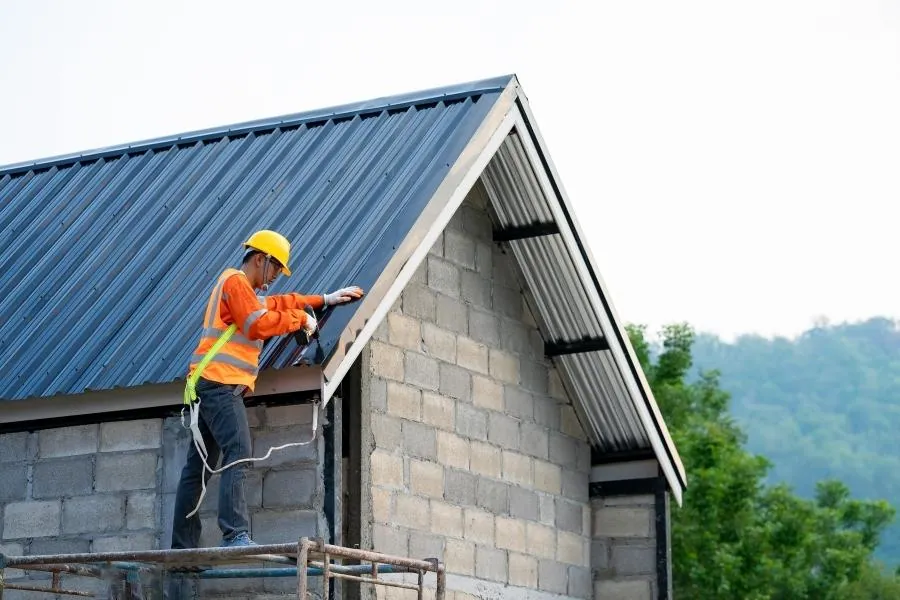

Roof Installation

We install complete roof systems on new construction, additions and major remodels. We build to current California code, Chapter 7A fire standards and your HOA's architectural guidelines from the start.

We install high-temperature synthetic underlayment, coastal-grade flashing, ember-resistant venting and wind-rated fastening under concrete tile, clay tile, composition shingle or low-slope membranes. All of it is laid out so it ties cleanly into the existing structure.

Room additions and ADUs in Laguna Niguel often have to match a 30-year-old tile roof and meet today's fire and Title 24 rules. We handle that transition so the new section looks original and performs to current standards.

Best for: New builds, additions, ADUs and custom homes on the ridges where performance and appearance both count.

Explore
★ Specialty

Roof Replacement

When underlayment, decking or tile has reached the end of its life, we replace the roof system. That can be an underlayment-only re-roof that reuses your sound tile, or a full tear-off with new tile or other Class A material.

We tear off down to the deck, replace damaged sheathing and fascia, install new underlayment, battens, flashing and fire-stopped eave closures, and then relay or install tile. We pull the permit, schedule the inspections, and coordinate solar removal and reinstallation.

For many 1980s–90s Laguna Niguel homes, reusing good concrete tile over new underlayment saves money and keeps the HOA-approved look. Shake roofs and badly degraded tile get a compliant Class A replacement, which can also help with insurance.

Best for: Roofs that are 30–40+ years old, leak in several places, have leftover shake, or have had a warning from an insurance carrier.

Explore

Roof Inspection

We do a thorough, documented evaluation of your roof's condition. We go beyond what's visible from a ladder and check the underlayment, flashing, ventilation, decking and fire-readiness, then give you a clear written report.

We walk the roof safely without cracking tile, lift tiles at key spots to examine the underlayment, check the attic for moisture and daylight, and photograph each finding with a priority level and cost range.

Inspections help Laguna Niguel buyers, sellers and long-time owners plan ahead of the winter rush. They're also useful when an insurer asks about roof condition or when your home sits in a Very High Fire Hazard Severity Zone.

Best for: Home buyers and sellers, owners of 25+ year-old roofs, insurance renewals, and anyone wanting a checkup before the rainy season.

Explore

Roof Maintenance

Scheduled maintenance keeps small issues from turning into winter leaks. We replace cracked tiles, clear valleys and gutters, reseal penetrations and swap out failing bird-stop before the rainy season and Santa Ana winds arrive.

On each visit we tighten loose ridges, replace worn vent boots, treat algae on shaded slopes, clear debris that could carry embers, and give you a photo summary of what we did and what to watch.

An early-fall visit lines up well with Laguna Niguel's seasons. It's after summer UV and before the Santa Anas and the first atmospheric river. Coastal homes also get a corrosion check on flashing and gutters.

Best for: Homeowners who want to extend tile roof life, HOAs managing reserve budgets, and owners of canyon-edge homes in fire zones.

Explore

Commercial Roofing

We repair, maintain and replace roofs on commercial buildings, offices, retail centers and multi-unit residential complexes. That includes the shared roof systems common in Laguna Niguel's condo and townhome communities.

We install low-slope membranes that meet Title 24 cool-roof requirements, re-roof steep-slope tile on multi-unit buildings, and sequence work in phases. We also coordinate with property managers and HOA boards and keep tenants and residents informed.

Many Laguna Niguel condo HOAs own a roof that covers dozens of units. We help boards plan against reserve-study budgets, prepare documentation for architectural approval, and phase work by building so residents aren't disrupted.

Best for: HOA boards, property managers and commercial owners who need predictable scheduling and clear documentation.

Explore
★ Specialty

Emergency Roofing

When a Santa Ana wind event strips tiles or a winter storm opens a leak, we respond quickly. We tarp and stabilize the roof to stop the water first, then schedule the permanent repair.

We tarp the damaged area securely, put displaced tiles and ridge caps back in place temporarily, check the attic for water intrusion, and photograph everything for your insurance claim.

Demand in Laguna Niguel spikes after the first big storm of the season and after every strong Santa Ana. Exposed ridges in Niguel Ridge, Ocean Ridge and Bear Brand Ranch often need fast tarping before the next round of weather.

Best for: Active leaks, wind-blown tiles, storm or fallen-limb damage, and any situation where water is coming into the house now.

Explore
Know The Signs

Common Roofing Problems in Laguna Niguel Homes

These are the issues we run into most on Laguna Niguel roofs. Some can wait for a scheduled visit. Others can't make it through the next storm. Knowing why each one happens here makes it easier to catch early and fix right the first time.

Failed Underlayment Beneath Concrete or Clay Tile Serious

The tile is your roof's first layer, but it isn't waterproof. The felt or synthetic underlayment beneath it is what actually keeps water out. After 30–40 years it turns brittle, tears and lets water reach the sheathing, even when every tile on top still looks perfect.

Why it's common here

Most Laguna Niguel tile roofs went on between the late 1970s and 1990s, so a huge share of original underlayment has reached the end of its life at the same time. Constant UV heats the space under the tile and speeds up that breakdown. Long dry summers hide the damage completely. Then the first heavy Pacific storm of the season pushes wind-driven rain under the tiles and onto underlayment that can't shed it anymore. That's why we hear the same thing every winter: 'The tile is fine, but the roof leaks.'

Signs you'll notice
  • Ceiling stains that appear after the first big winter storm
  • Brittle, crumbling felt visible at eaves or under a lifted tile
  • Musty attic smell or darkened roof sheathing
  • Leaks in several spots at once instead of one
  • Dry-rotted fascia or eave boards
  • Original 1980s–90s roof with no prior re-roof
Local patterns

Very common in 1980s–90s Mediterranean tracts in Rancho Niguel, Marina Hills, Beacon Hill and the Sea Country/Clubhouse area. Calls about it spike between November and February, and that's when lead times stretch out.

Our fix: A tile lift-and-relay: we remove the tile, replace the underlayment, flashing and battens, then reinstall the sound tile and add matched replacements where needed. Full tile replacement is the other option.

Santa Ana Wind Damage: Lifted Tiles and Ridge Caps Emergency

Strong offshore winds get under loose tiles, ridge caps and hip tiles and pry them up, slide them out of place or throw them onto the yard. Each gap leaves underlayment and fasteners exposed to sun and rain. Missing ridge caps can let water straight into the attic.

Why it's common here

Santa Ana events hit Laguna Niguel in fall and winter, often with 40–60+ mph gusts on exposed ridges and canyon mouths. Older roofs rely on aged mortar or corroded nails to hold their ridges and edge tiles, and both fail with time. Settlement on clay soils loosens tile courses even more. Because Santa Anas usually come before the rainy season, wind damage that goes unnoticed in October often turns into an active leak by December.

Signs you'll notice
  • Broken tile pieces in the yard or on the driveway
  • Missing or shifted ridge or hip caps
  • Visible gaps or crooked tile courses
  • Cracked or missing ridge mortar
  • Daylight visible in the attic near the ridge
  • New leaks after a windy week
Local patterns

Exposed ridgeline homes in Niguel Ridge, Ocean Ridge, Bear Brand Ranch and Hidden Hills, plus homes near canyon mouths by Salt Creek and Sulphur Creek, take the hardest hits during Santa Ana events.

Our fix: We tarp right away to keep water out, then re-secure or replace the displaced tiles and rebuild the ridges with mechanical fastening built to resist future wind uplift.

Corroded Flashing, Valleys and Gutters from Salt Air Moderate

Metal flashing seals valleys, walls, chimneys, skylights and roof penetrations. Galvanized steel rusts over time, and once a valley pan or wall flashing rusts through, water goes straight under the tile at the spots where it collects most.

Why it's common here

The marine layer and salt air reach west-facing ridgelines within about 1–3 miles of the ocean, and the 'May Gray/June Gloom' season keeps metal damp for weeks at a stretch. Original builder-grade galvanized valleys, nails, HVAC curbs and gutters on 30-plus-year-old homes weren't made for that exposure. Homes on the coastal side of the city often show rust-through years before comparable homes inland.

Signs you'll notice
  • Rust streaks running down tile or stucco
  • Pinholes or flaking in valley metal
  • Leaks at roof-to-wall joints or around chimneys
  • Rusted or sagging gutters
  • Corroded vent pipes and HVAC curbs
  • Stains on interior walls under valleys
Local patterns

Most common in Monarch Beach, Niguel Ridge, Ocean Ridge and the Laguna Sur area, where ocean-facing slopes get the heaviest marine exposure.

Our fix: We replace corroded flashing with stainless steel, copper or heavier-gauge metal suited to coastal exposure, reset the tiles around it and seal penetrations so the repair holds up to salt air.

Cracked and Slipped Tiles from Foot Traffic, Solar and Settlement Moderate

Concrete and clay tiles crack when they're stepped on wrong, and they slide out of place when fasteners or battens fail. Each broken or shifted tile opens a path for water and UV to reach the underlayment.

Why it's common here

Solar retrofits are everywhere in Laguna Niguel, and installers, satellite techs and window washers who don't know tile often leave cracked pieces behind. Hillside lots on expansive clay soils settle slowly, racking the framing and loosening tile courses. Aged 1980s concrete tile also turns more brittle with decades of sun. Finding matching replacements is tricky because many original profiles and colors have been discontinued.

Signs you'll notice
  • Visible cracks or broken corners on tiles
  • Tiles sitting out of line with their row
  • Debris or tile fragments in gutters
  • Leaks near solar mounts or recent service work
  • Uneven roof lines on hillside homes
  • Mismatched patches from earlier repairs
Local patterns

Seen across Kite Hill, Moulton Ranch and Linda Vista/Crown Valley tracts with solar arrays, and on hillside lots near Laguna Niguel Regional Park where soil movement is more common.

Our fix: We replace broken tiles with matched or salvaged profiles, re-fasten slipped courses, flash and seal solar mounts correctly, and check the underlayment beneath for hidden damage.

Ember-Vulnerable Roofs and Leftover Wood Shake Serious

During a wildfire, wind-blown embers can enter open tile ends, standard attic vents and debris-filled gutters and ignite the roof. Remaining wood shake roofs are the most vulnerable of all, and they no longer meet replacement standards in high-hazard zones.

Why it's common here

Large parts of the city border open space, including Aliso & Wood Canyons, the Laguna Coast Wilderness, Salt Creek and Sulphur Creek, and many neighborhoods sit inside CAL FIRE Very High Fire Hazard Severity Zones. Santa Anas dry out vegetation and carry embers long distances. Older homes were built before Chapter 7A wildland-urban interface standards, so many still have open eave vents, missing bird-stop or original 1970s shake. Insurers are paying attention and re-rating or dropping policies on roofs that fall short.

Signs you'll notice
  • Remaining wood shake or shingle roof
  • Open tile ends without bird-stop or fire-stop
  • Standard mesh attic or eave vents
  • Leaves and dry debris packed in gutters and valleys
  • Insurance carrier asking about roof age or fire rating
  • Home backs up to canyon or open space
Local patterns

Most pressing for canyon-edge homes near Aliso & Wood Canyons, the Salt Creek corridor and hillside streets in Hidden Hills and Bear Brand Ranch, plus remaining 1970s shake homes in older sections of the city.

Our fix: We upgrade to a Class A roof assembly, install ember-resistant vents and fire-stopped eave closures, clear debris paths, and replace shake with compliant tile or other Class A materials.

Ponding and Leaks on Low-Slope Patio and Addition Roofs Moderate

Flat and low-slope sections over patios, family-room additions and garages drain slowly. Standing water and baked roof membranes lead to blisters, split seams and leaks right where the low roof meets the main tile roof.

Why it's common here

Many 1970s–90s Laguna Niguel homes have patio covers and additions with built-up or rolled roofing that was never meant to last 30 years under Southern California sun. UV dries and cracks the membranes, and the tie-in where they meet the steep tile roof is a classic weak spot. A few intense winter storms are enough to overwhelm clogged scuppers and expose every split.

Signs you'll notice
  • Water standing 48 hours after rain
  • Blistered, cracked or alligatored membrane
  • Leaks at the joint between the patio roof and main roof
  • Sagging patio ceilings
  • Clogged drains or scuppers
  • Granules washing off rolled roofing
Local patterns

Common on patio additions in Marina Hills, Rancho Niguel and the Sea Country/Clubhouse area, and on condo carports and flat sections in HOA complexes throughout the city.

Our fix: We re-roof the low-slope area with a modern membrane that meets Title 24 cool-roof rules where they apply, correct the drainage, and rebuild the tie-in flashing to the main roof.

Algae, Debris Buildup and Brittle Bird-Stop Minor

North-facing slopes collect algae and moss, gutters and valleys fill with leaves, and the bird-stop at the eaves cracks and falls apart. Each one is minor on its own, but together they trap moisture and let pests and embers in.

Why it's common here

Marine-layer moisture keeps shaded north slopes damp long enough for algae to grow, especially near the coast. Mature landscaping and canyon vegetation drop debris onto roofs year-round. Original plastic or mortar bird-stop on 1980s–90s tile roofs breaks down under decades of UV, so birds, rodents and wind-blown debris can get under the first course of tile.

Signs you'll notice
  • Green or black streaking on tile
  • Leaves and needles packed in valleys
  • Overflowing gutters during rain
  • Birds nesting at the eaves
  • Gaps under the first row of tile
  • Rodent activity in the attic
Local patterns

Typical on shaded, tree-lined streets in Laguna Niguel Regional Park-area neighborhoods, Kite Hill and Beacon Hill, and on north-facing slopes in Monarch Beach.

Our fix: Routine maintenance: gentle cleaning, clearing valleys and gutters, and replacing failed bird-stop with durable, fire-stopping eave closures.

Transparent Pricing

How Much Does a Roof Cost in Laguna Niguel?

Roofing costs here run higher than national averages because of tile roofs, hillside access, fire-zone requirements and Southern California labor rates. These ranges are typical for Laguna Niguel. Your free estimate will give you an exact number for your roof.

Typical Project

Tile repair after Santa Ana winds

Replace 10–20 broken or slipped concrete tiles, re-secure ridge caps, emergency tarp if needed

$650 – $2,500
Typical Project

Underlayment re-roof, reusing existing concrete tile

About 2,200–2,800 sq ft 1980s–90s two-story home; new synthetic underlayment, battens, flashing, fire-stopped eaves; tile relaid with matched replacements

$22,000 – $40,000
Typical Project

Full concrete tile roof replacement

About 2,500 sq ft home; tear-off, sheathing repairs, new Class A tile system, ember-resistant vents, coastal-grade flashing

$35,000 – $60,000
Typical Project

Shake-to-tile or clay barrel tile replacement

About 3,000+ sq ft ridge or custom home; remove wood shake or old clay, new Class A clay or premium tile system; solar R&R not included

$55,000 – $110,000+
Roofing Material and Tile Strategy Primary Factor

Material choice drives cost more than anything else. Composition shingle is the most affordable. Concrete tile costs more, and clay barrel tile sits at the premium end. On many 1980s–90s Laguna Niguel homes, the biggest decision is whether to reuse your existing concrete tile over new underlayment or install all-new tile. Reusing sound tile can save a meaningful share of the cost, but heavily cracked or discontinued tile may make full replacement the smarter long-term buy.

Roof Size, Pitch and Complexity Primary Factor

Square footage matters, but so do the number of valleys, hips, dormers, skylights and roof-to-wall transitions. Steep pitches need Cal/OSHA fall protection and slower, more careful work. A simple 1970s ranch roof costs far less per square foot than a cut-up two-story Mediterranean roof with multiple valleys, turrets and clay barrel tile. Each added transition means more flashing, more labor and more detail work.

Hidden Damage Under the Tile Secondary Factor

After 30–50 years, it's common to find dry-rotted sheathing at the eaves, damaged fascia or soft decking around old leaks, and none of it is visible until the tile and underlayment come off. Sheathing replacement is usually priced per sheet and fascia per linear foot, so a well-maintained roof can come in at the low end while one with long-term leaks lands higher. We photograph any hidden damage before replacing it.

Fire-Zone, Code and HOA Requirements Secondary Factor

In Very High Fire Hazard Severity Zones, Chapter 7A requires Class A assemblies, ember-resistant vents and fire-stopped tile ends, all of which add material and labor. Title 24 cool-roof rules can affect low-slope re-roofs. Permit fees, HOA-mandated tile profiles or colors, and restricted work hours add more. Coastal homes also benefit from upgrading to stainless or copper flashing, which costs more upfront but lasts far longer in salt air.

Access, Solar and Logistics Additional Factor

Steep hillside driveways, narrow side yards and gated communities make staging and debris removal harder and slower. Solar arrays have to be removed and reinstalled, often by coordinating with the solar provider so warranties stay intact, and that can add several thousand dollars to a project. Condo and multi-unit work adds phasing and coordination across buildings.

Financing is available, so you can spread the cost of a re-roof or major repair into manageable payments instead of putting off work your home needs. Ask about options during your free estimate. In a market where homes routinely top $1 million, a properly installed, fire-rated roof protects your property value, strengthens your insurance standing and avoids the much larger cost of water damage to ceilings, drywall and interior finishes.

Local Expertise

Why Laguna Niguel Roofs Need a Local Roofing Expert

Laguna Niguel doesn't get snow, hail or freeze-thaw cycles, so it's easy to assume roofs here have it easy. They don't. Sun, salt, wind, fire risk and aging underlayment wear roofs down in ways a generic contractor can miss. Here's what's actually working against your roof.

Coastal Climate: UV, Salt Air, Santa Anas and Short, Intense Rain Seasons

The city gets only about 12–14 inches of rain a year, and nearly all of it falls between November and March, often in a handful of atmospheric-river storms after months of dry weather. A roof can hide a problem all summer and then leak in three rooms during one December storm. In between, near-constant sun bakes asphalt granules, dries out felt underlayment and cracks the sealant around vent boots. On west-facing ridges within 1–3 miles of the ocean, around Monarch Beach and Niguel Ridge, the marine layer and salt air corrode galvanized flashing, nails and gutters faster than they would inland. Then come the Santa Ana winds in fall and winter, with gusts of 40–60+ mph on exposed ridges and canyon mouths. They lift loose tiles and ridge caps, which leaves gaps that are wide open when the rain finally comes.

Built Environment: 30- to 50-Year-Old Tile Roofs and Master-Planned Tracts

Laguna Niguel grew as a master-planned community starting in the late 1960s, with heavy tract building from the late 1970s through the 1990s. Most homes are 30–50 years old now. The typical 1980s–90s Mediterranean home wears concrete S-tile or flat tile. Higher-end ridge homes often have clay barrel tile, and a lot of 1970s ranch homes started out with wood shake. The tile itself often outlasts the house payments. The original underlayment, bird-stop and valley flashing usually don't. On top of that, there are dry-rotted fascia at the eaves, tiles cracked by solar installers and foot traffic, and hillside settlement on expansive clay soils that slowly racks framing and opens flashing joints. Condo complexes add another layer: many units sharing one roof system.

Permits, Fire Zones and HOA Approvals

Re-roofing in Laguna Niguel requires a permit and inspections from the City's Building & Safety Division under the California Building and Residential Codes. In CAL FIRE Very High Fire Hazard Severity Zones along Aliso & Wood Canyons, Salt Creek and Sulphur Creek, Chapter 7A wildland-urban interface rules call for Class A roof assemblies, ember-resistant vents and fire-stopped tile ends. Wood shake is effectively off the table for replacements. Title 24 cool-roof rules can apply to low-slope re-roofs in Climate Zone 6. Most neighborhoods also answer to master or sub-associations like the Laguna Niguel Community Association, Marina Hills or Rancho Niguel. Those usually require architectural approval of tile profile and color, and they often limit work hours.

Home Values, Insurance and Long-Time Owners

With median home values well above $1 million and ridge homes selling for $1.5M to several million, a roof here protects a serious investment. Many owners bought in the 1970s–90s and are now facing their first or second replacement. Insurers across Southern California are dropping or re-rating policies, and roof condition and fire rating now affect whether you can get or keep coverage. That's why so many homeowners want documented, code-compliant work over the cheapest bid.

Charles Smiley Roofing Roofing Contractor in Laguna Niguel, CA project in Laguna Niguel, CA (1)
Laguna Niguel, CA
Charles Smiley Roofing Roofing Contractor in Laguna Niguel, CA project in Laguna Niguel, CA (2)
roofing
Talk to a Local Expert
The Charles Smiley Roofing Difference

Why Laguna Niguel Homeowners Choose Charles Smiley Roofing

We Know Laguna Niguel Roofs Inside and Out

A roof in Monarch Beach doesn't age the same way as one in Moulton Ranch. Coastal homes fight salt-air corrosion. Ridge homes take Santa Ana uplift. Canyon-edge homes need ember protection. Nearly every 1980s–90s tract has underlayment reaching the end of its life under tile that still looks fine. We work on these roofs daily, so we know where to look and what usually fails first. We also know how to fix it so the repair lasts through the next atmospheric river, not just the next sunny week.

Bonded and Insured for Your Protection

Your home is likely your biggest investment, and a roofing project puts workers, ladders and heavy materials on top of it. Charles Smiley Roofing is bonded and insured, so you aren't left holding the risk if something unexpected happens. We're glad to provide proof of coverage before work begins, and we encourage you to check credentials with any contractor you're considering. In a market where long-time owners and HOA boards do their homework, we think transparency is the baseline.

Tile Roof Specialists Who Don't Break What They Walk On

Concrete S-tile, flat tile and clay barrel tile dominate Laguna Niguel, and they need a different skill set than shingles do. Our crews know how to walk tile without cracking it, lift and relay it without waste, and find matching or salvaged profiles for discontinued 1980s tile. That know-how often makes an underlayment-only re-roof possible, letting you keep your sound tile and your HOA-approved look while saving a significant share of a full replacement cost.

Clear Estimates with No Surprises

You'll get a written, line-item estimate that explains what we found, what we recommend and why. Where it makes sense, we lay out options side by side, like underlayment replacement vs. new tile, or repair now vs. replace next year. If we find hidden rotted decking once the tile is off, we photograph it and explain it before any extra work begins. That's how the final invoice ends up matching the conversation we had at your kitchen table.

Clean Job Sites and On-Time Scheduling

Ridge-view homes in Laguna Niguel often have high-end landscaping, pools, pavers and exterior finishes. We protect all of it with tarps and plywood, keep debris contained and run magnetic sweeps for nails daily. We show up when we say we will, keep the roof dried-in every night during the rainy season and finish on the agreed timeline. HOA work-hour limits and neighbor courtesy are part of the plan, not an afterthought.

Fire-Zone and HOA Compliance Handled for You

Permits, Chapter 7A wildland-urban interface requirements, Title 24 cool-roof rules and architectural committee approvals can stall a project for weeks if they're handled badly. We prepare the documentation, specify Class A assemblies and ember-resistant vents where required, and give your HOA the material samples and specs it needs. You get a roof that passes city inspection, satisfies your association and gives you a stronger case with insurers.

Emergency Response and Flexible Financing

When the Santa Anas strip your ridge caps or the first winter storm finds a weak spot, you need someone who answers the phone. We give emergency tarping and storm repair priority so water damage doesn't spread. And because a full re-roof is a major expense, financing is available to spread the cost into manageable payments. That way you can fix the problem properly now instead of patching it until it fails.

Simple & Transparent

How Our Roofing Process Works

There are no surprises and no disappearing crews. Here's how a typical Laguna Niguel project goes from the first call to the final walkthrough. We keep you updated at every step.

Free Consultation and Roof Inspection

Usually scheduled within a few days. Active leaks get priority.
  • We talk through your concerns, goals, budget and timeline
  • We inspect the tile, underlayment, flashing, ventilation and attic
  • We document each finding with photos
  • We note fire-zone, HOA and solar factors that affect the scope

Local note: On steep hillside lots we look at access and staging during the first visit, so there are no surprises on tear-off day.

Clear Written Estimate and Options

Typically delivered within a few days of the inspection
  • Line-item estimate written in plain language
  • Side-by-side options, such as underlayment re-roof vs. full tile replacement
  • Material, profile and color choices that fit your HOA guidelines
  • Financing options explained if you want them

Local note: For 1980s tile we check whether matching replacement profiles are available before you commit, which matters when an HOA requires a uniform look.

Permits, HOA Approval and Scheduling

Commonly 1–4 weeks, depending on HOA committee and city review
  • We prepare permit documentation for Laguna Niguel Building & Safety
  • We provide material specs and samples for HOA architectural review
  • We coordinate solar removal and reinstallation if needed
  • We lock in a start date and share the schedule

Local note: In Very High Fire Hazard Severity Zones we specify Class A assemblies and ember-resistant vents up front. We also plan around any HOA limits on work hours.

Roofing Work with a Clean, Protected Site

Repairs: often 1 day. Most residential re-roofs: about 3–10 working days.
  • We protect landscaping, hardscape, pools and high-value exterior finishes
  • We tear off and replace damaged decking and fascia
  • We install underlayment, coastal-grade flashing and tile or other roofing
  • We clean up daily, including magnetic sweeps for nails

Local note: Crews follow Cal/OSHA fall protection on steep tile roofs. We also watch the forecast closely during the November–March rainy season and keep the roof dried-in every night.

Final Inspection and Walkthrough

At completion, plus the city's final inspection
  • We pass the City of Laguna Niguel final inspection
  • We walk the property with you and go over photos of the work
  • We hand over warranty and material documentation
  • We answer your questions and leave the site clean

Local note: You get documentation of fire rating and roof age, which is useful for insurance renewals and future sales.

Trusted Locally

Roofing You Can Count On

Service Radius Around Laguna Niguel
20 mi
Laguna Niguel, CA
7
Roofing Services Offered
$0
Cost for Your Written Estimate
Bonded & Insured
Protection on Every Project
BondedInsuredFinancing Available
Where We Work

Roofing Service Areas in and Around Laguna Niguel

Charles Smiley Roofing is based around Laguna Niguel and works across the city's neighborhoods, from salt-air coastal ridges to inland tract communities and canyon-edge streets. We also serve nearby South Orange County communities within a 20-mile radius.

Coastal and Ridge Neighborhoods

Monarch BeachNiguel RidgeOcean RidgeLaguna SurBear Brand Ranch

Central and Inland Neighborhoods

Marina HillsRancho NiguelBeacon HillKite HillMoulton RanchSea Country / Clubhouse area

Canyon-Edge and Parkside Areas

Hidden HillsSalt Creek areaLaguna Niguel Regional Park areaLinda Vista / Crown Valley area

We serve all of Laguna Niguel and nearby communities within a 20-mile radius. Not sure if you're in range? Reach out through our contact page and we'll confirm. Not sure if we cover your area? Call (949) 919-7149.

Find Us

Serving Laguna Niguel, CA & Nearby

28092 Forbes Rd, Laguna Niguel, CA, 92677 · Monday - Sunday: 7AM - 7PM

Monarch BeachNiguel RidgeOcean RidgeLaguna SurBear Brand RanchMarina HillsRancho NiguelBeacon HillKite HillMoulton RanchSea Country / Clubhouse areaHidden HillsSalt Creek areaLaguna Niguel Regional Park area
Questions & Answers

Laguna Niguel Roofing FAQs

How much does it cost to replace a tile roof in Laguna Niguel?

For a typical 2,200–2,800 square foot home, an underlayment-only re-roof that reuses your existing concrete tile usually runs about $22,000 to $40,000. A full concrete tile replacement typically falls between $35,000 and $60,000, and clay barrel tile or shake-to-tile conversions on larger ridge homes can go well past $55,000 to $110,000. Pitch, hidden decking damage, fire-zone requirements, HOA specs and solar removal all affect the final number. We give you a written, line-item estimate for free, and financing is available if you'd like to spread out the cost.

My tile looks fine, so why is my roof leaking?

Because the tile isn't what keeps water out. The underlayment beneath it does. On most Laguna Niguel homes built in the 1970s through 1990s, that original felt underlayment is now 30–40 years old, brittle and torn from decades of heat and UV. Tile sheds most rain, but wind-driven water from big winter storms gets underneath, and failed underlayment lets it through to the decking and your ceilings. It's the most common call we get after the first big storm. The fix is usually lifting the tile, replacing the underlayment and flashing, and relaying the sound tile.

Do I need a permit and HOA approval to re-roof in Laguna Niguel?

Yes, in almost every case. Re-roofing requires a building permit from the City of Laguna Niguel Building & Safety Division, with inspections during and after the work. If your home is in a Very High Fire Hazard Severity Zone, the roof must meet Chapter 7A rules, including Class A fire rating and ember-resistant vents. Most neighborhoods also fall under an HOA, such as the Laguna Niguel Community Association, Marina Hills or Rancho Niguel, which usually needs to approve tile profile, color and material first. We prepare the permit paperwork and provide specs and samples for your HOA submission.

How long does a roof replacement take?

Most residential re-roofs in Laguna Niguel take about 3 to 10 working days once work starts, depending on roof size, pitch, tile type and whether we find hidden decking damage. Before that, permits and HOA architectural review typically take 1 to 4 weeks. Simple repairs are often finished in a single day. During the November–March rainy season we watch the forecast closely and make sure the roof is dried-in every night. If solar panels need to come off and go back on, we'll build that coordination into the schedule from the start.

When should I call a roofer instead of waiting?

Call right away if water is coming inside, if Santa Ana winds have blown tiles or ridge caps off, or if you see daylight in the attic. Those situations get worse with every storm. Schedule an inspection soon if your roof is 25+ years old and has never been re-roofed, if you see ceiling stains, rust streaks or broken tile in the yard, or if your insurer is asking about roof age or fire rating. The best time for planned work is late summer or early fall, before demand spikes after the first winter storm.

How can I prevent roof problems on my Laguna Niguel home?

Schedule a professional inspection and maintenance visit every year or two, ideally in early fall before the Santa Anas and the rainy season. Keep gutters and valleys clear, especially if you border canyon open space, since dry debris both traps water and catches embers. Make sure anyone who walks your roof, including solar techs and window washers, knows how to step on tile without cracking it. Near the coast, have flashing and gutters checked for corrosion. And replace brittle bird-stop and open eave vents with fire-resistant closures to keep out embers, birds and rodents.

Should I reuse my concrete tile or replace it entirely?

It depends on the tile's condition and your goals. If your concrete tile is mostly intact and matching replacements are available for any broken pieces, an underlayment-only re-roof can save money and keep the look your HOA already approved. If a lot of the tile is cracked, brittle or a discontinued profile that's hard to match, or you're converting from shake, a full replacement usually makes more sense long-term. We inspect a sample of tiles, check what's available for matching and lay out both options side by side so you can decide.

Can you work on roofs with solar panels?

Yes. Solar is very common in Laguna Niguel, and most re-roofs and many repairs mean removing and reinstalling panels. We coordinate the detach-and-reset process, ideally with your solar provider or a qualified installer, so your system's warranty stays intact. We then flash the mounts properly into the new roof, since poorly sealed solar penetrations are a frequent cause of leaks on tile roofs. Removal and reinstallation is listed as a separate line on your estimate, so you'll know exactly what that part of the project costs.

Schedule Your Free Laguna Niguel Roof Estimate Today

Don't wait for the first winter storm to find out what's under your tile. Get a clear, honest assessment now, while you have time to plan and before the rush starts.

  • A thorough inspection of tile, underlayment, flashing and attic
  • A clear, line-item written estimate with side-by-side options
  • Guidance on HOA approval, permits and fire-zone requirements
  • A bonded and insured crew that keeps your property clean
  • On-time scheduling and regular updates from start to finish
  • Financing available for repairs and replacements
  • Photo documentation for insurance and future home sales

Proudly serving Laguna Niguel, from Monarch Beach and Niguel Ridge to Marina Hills and Rancho Niguel, plus nearby communities within 20 miles.

Wind-blown tiles or an active leak? Call Charles Smiley Roofing now for emergency tarping and storm repair.

Bonded • Insured

Call (949) 919-7149 Free Estimate